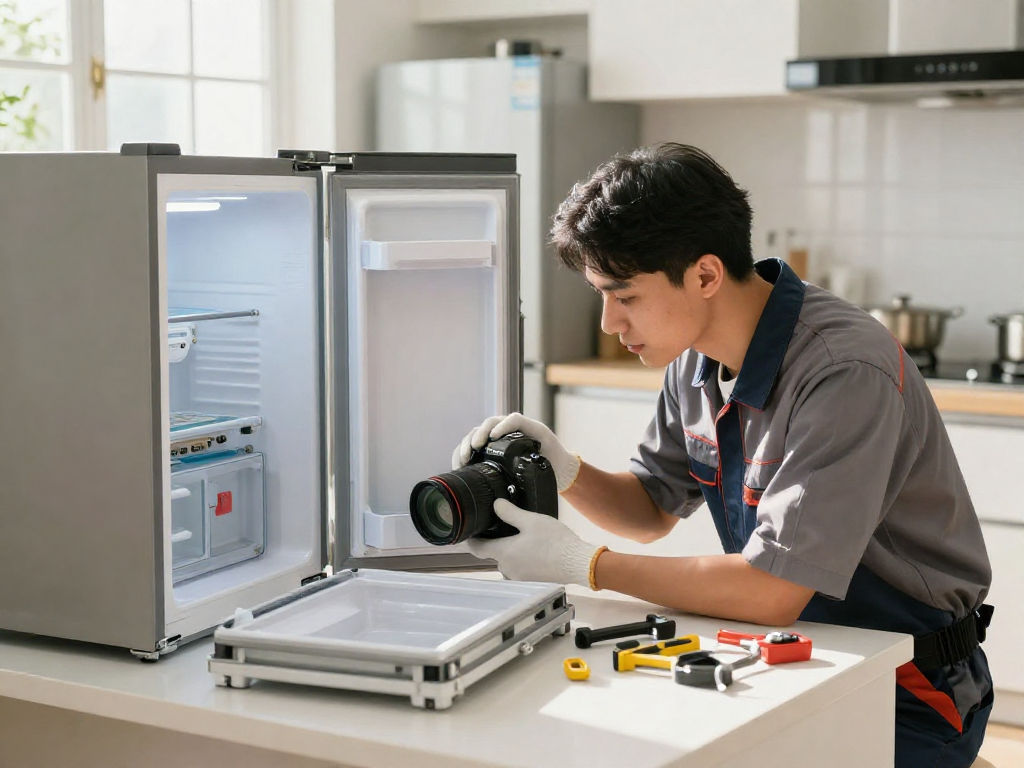
Understanding Appliance Repair Basics
In today's world, appliances play a crucial role in our daily lives, enhancing convenience and efficiency in household tasks. However, like any devices, they may encounter issues that require professional attention. Understanding the fundamentals of appliance repair can save homeowners time and money, ensuring that their appliances remain in optimal working condition. From washing machines to refrigerators, knowing when and how to address these problems is essential for maintaining a smoothly running home.
What is Appliance Repair?
Appliance repair refers to the process of diagnosing and fixing malfunctioning household appliances. This can involve a wide range of tasks, from simple fixes like replacing a fuse or a belt to more complex repairs involving the appliance's internal components. The goal is to restore the appliance's functionality, prolong its lifespan, and enhance its efficiency. In many cases, professional repair services are necessary, but some homeowners are also capable of conducting basic repairs on their own.
Common Types of Appliances Repaired
- Refrigerators: Issues often arise with cooling, leaking, or odd noises.
- Washing Machines: Problems can include leaks, spinning issues, or failure to fill with water.
- Dryers: Common repairs relate to heating elements, drum issues, or electrical malfunctions.
- Dishwashers: Repairs may involve drainage problems, leaks, or failure to start.
- Ovens and Stoves: Common issues include temperature inaccuracies and ignition problems.
Importance of Professional Repair Services
While some repairs can be handled by homeowners, many require professional expertise to ensure safety and effectiveness. Professionals have the necessary training, tools, and experience to diagnose issues accurately and perform repairs efficiently. Engaging an expert can prevent further damage to the appliance, which could lead to more extensive (and costly) repairs in the future. When exploring options, Appliance Repair professionals can provide comprehensive insights and services tailored to your specific appliance needs.
Identifying Problems in Your Appliances
Recognizing the signs that an appliance is malfunctioning can save you from more significant headaches and expenses down the line. Timely detection and intervention are key to extending the life of your appliances.
Signs That Your Appliance Needs Repair
- Unusual Noises: Any sounds that seem out of the ordinary, such as grinding, banging, or buzzing, may indicate a problem.
- Inconsistent Performance: Appliances that fail to operate as expected—like a refrigerator that doesn’t cool or a washing machine that doesn’t spin—need attention.
- Leaks: Water pooling around appliances is a clear sign of a malfunction that needs prompt investigation.
- Visible Damage: Cracks, frayed wires, or burnt out lights are indicators that something is wrong.
- Increased Energy Bills: A sudden spike in your energy costs could suggest that an appliance is working harder due to inefficiency.
How to Troubleshoot Common Issues
Before calling for professional help, there are several basic troubleshooting steps you can take. Start by checking the appliance’s power supply—ensure that it's plugged in and that circuit breakers haven't been tripped. For refrigerators, check the temperature settings and clean the condenser coils. For washing machines, inspect hoses for clogs and kinks. While these basic checks can solve straightforward problems, more complex issues should be left to the professionals.
Assessing Repair vs. Replacement Decisions
Deciding whether to repair or replace an appliance is a critical consideration for homeowners. Factors to consider include the appliance's age, the cost of repairs compared to the price of a new unit, and the energy efficiency of newer models. Generally, if an appliance is older than 10 years and the repair costs exceed 50% of the replacement cost, purchasing a new appliance may be the most economical choice long-term.
Choosing the Right Appliance Repair Service
Selecting a reputable appliance repair service is vital to ensuring that your repairs are performed correctly and safely. Here are important considerations to keep in mind.
What to Look for in a Repair Technician
When searching for a repair technician, prioritize qualifications such as licensing, insurance, and experience in repairing specific brands. A good technician should also offer warranties on their work and have positive reviews from previous customers.
Questions to Ask Before Hiring
- What is your experience with this type of appliance?
- Can you provide references or reviews?
- What is your pricing structure—do you charge by the hour or a flat fee?
- Are parts included in the quoted price?
- What warranties do you offer on parts and labor?
Understanding Warranty and Service Agreements
Always clarify warranty terms before engaging repair services. Some companies offer guarantees on their repairs, which can provide peace of mind. It’s also wise to check if the appliance is still under a manufacturer’s warranty, as this can save you significant repair costs.
DIY Appliance Repair Tips
For those who enjoy tackling home improvement tasks, many common appliance repairs can be safely handled with the right knowledge and tools.
Essential Tools for Home Repairs
- Multimeter: Useful for diagnosing electrical issues.
- Screwdrivers: A set of both flat-head and Philips screwdrivers is essential.
- Pliers: Helpful for gripping and pulling out stubborn parts.
- Wrench Set: Useful for tightening or loosening nuts and bolts.
- Replacement Parts: Keeping common parts on hand can help quicken repairs.
Common DIY Repairs You Can Try
Some easy fixes that homeowners can attempt include cleaning the lint trap in dryers, replacing a dishwasher spray arm, or swapping out refrigerator water filters. YouTube and other online resources can provide step-by-step instructions for these repairs, making them accessible even to novice DIYers.
When to Call a Professional
If you encounter electrical issues, gas appliances, or complex problems requiring disassembly, it's safest to call a professional. Safety should always be the primary concern when approaching DIY repairs.
Future Trends in Appliance Repair
As technology advances, the field of appliance repair is evolving. Here are some key trends to watch in coming years.
Technological Innovations Shaping the Industry
Smart appliances that connect to the internet for diagnostics and troubleshooting are becoming more common. As these technologies develop, repair technicians will require ongoing training to stay current with new systems. Additionally, many manufacturers are moving towards modular designs that make parts easier to replace, potentially reducing repair times.
Eco-Friendly Repair Practices
As environmental concerns grow, there’s a rising trend towards eco-friendly repair practices. Many companies now focus on sustainable parts and recycling old appliances instead of sending them to landfills. Homeowners are encouraged to ask their repair service about eco-conscious practices and options.
What to Expect in 2026 and Beyond
Looking ahead, we can expect that appliances will become even smarter and more efficient. The integration of AI in appliance technology may allow for predictive maintenance, alerting homeowners before an appliance fails. Additionally, the demand for repair services will likely increase as consumers become more environmentally conscious and prefer to repair over replace.
FAQ
How do I know if my appliance is worth repairing?
Generally, if repair costs exceed 50% of the replacement cost or if the appliance is over 10 years old, it may be advisable to consider replacement.
What safety precautions should I take for DIY repairs?
Always unplug appliances before beginning repairs. Wear safety goggles and gloves, and consult the user manual for specific safety instructions related to your appliance.
Are appliance repair services covered by home insurance?
Coverage can vary by policy. It's essential to check your specific homeowners insurance to understand what types of appliance repairs may be covered.
What common appliances are easiest to repair?
Generally, small appliances like toasters, microwaves, and coffee makers are easier to repair due to their simpler designs compared to larger items like ovens or refrigerators.
How can I maintain my appliances to prevent repairs?
Routine maintenance, such as cleaning filters, keeping appliance surfaces free of debris, and following manufacturer maintenance schedules, can significantly extend the life of your appliances and reduce the risk of breakdowns.. Additionally, Appliance Installation in Richmond Hill provides further details.